The Coal mine
Your Goblin digs ore, and the ore opens the next mines, down to the Diamond mine, where the GOB is paid.
- The shortest way to the Diamond mine
- The biggest GOB pools are at the bottom
- No GOB at first: ore only, until Diamond
Where the game's GOB and SOL go, followed as it happens: the token and its split, the Genesis sale, how the mines pay out over time, and what the game does with the SOL it takes in. Nothing here names a player, and you need no account.
To compute a Goblin's or a merge's draw again, step by step, go to the page Verify it yourself.
Counted over every player, refreshed every minute.
GOB is the game's token: 1,000,000 of them, made once at launch. The rights to make more and to freeze the GOB in a wallet are given up for good when it is made: anyone can read both on the chain, at the token's address.
Liquidity · 500,000 GOB · 50%
Put in a trading pool on Meteora once the Genesis sale is over; the team commits to pairing it with SOL from the sale. It sets GOB's first price. The pool's liquidity is locked for 90 days by Meteora's own lock, which cannot be extended; after that the team can withdraw it.
Mine rewards · 400,000 GOB · 40%
Held in the rewards wallet on the chain, which pays players' withdrawals. The game's server can take at most 60,000 GOB a day out of it, a limit enforced on the chain and counted in fixed 24-hour periods: around the moment one period ends and the next begins, up to two periods' worth can leave in a short time. The wallet itself is held by the team's single key: the team can move this GOB, and commits to using it for the mines only.
Team · 100,000 GOB · 10%
Sent to the team's address.
| Part | GOB | Share |
|---|---|---|
| Liquidity | 500,000 | 50% |
| Mine rewards | 400,000 | 40% |
| Team | 100,000 | 10% |
GOB's first price comes from the trading pool: the SOL put into it at launch, divided by the 500,000 GOB beside it. The liquidity the team puts in is locked for 90 days from the day the pool is created, by Meteora's own lock: nobody can take it out before, the team included.
Every trade of GOB in the pool pays a 2.5% fee to the game's treasury. The treasury uses it to run the game, notably to refill the mines' rewards and to fund new mines.
Of the million GOB made at launch, only the mine rewards are paid to players, pool by pool, as they play. Here is each pool, and what it has left.
What each pool holds and how it pays. From launch, what each has paid and what it has left show here, live.
Diamond mine
50,000 GOB
Paid out over 30 days from the first Goblin in the Diamond mine.
Staking pot
60,000 GOB
Shared over 60 days between the players who stake GOB.
Power pool
40,000 GOB
Shared by the mining power of the Goblins in the Diamond mine, once its 30 days are over.
Expeditions and events
150,000 GOB
Budgets for the expeditions and the monsters' rifts, set one by one. The welcome expedition's 10,000 GOB, shared over 14 days from the game's first day, come out of this budget.
Reserve
100,000 GOB
Kept for new mines, and promised to nobody.
"Paid to players" is what players have collected. GOB not collected yet is still in its pool. The rewards wallet's own balance, read on the chain, is in the live figures above.
Every Goblin digs, and two series of them exist: the Genesis Goblins sold at launch, and the Goblins recruited in the game after it.
Why a Genesis Goblin: it digs at full pace for as long as it plays, so it brings up more than a Goblin of the second series of the same rarity, every day, and it has the mines to itself for the first 12 hours, on its way to the deep mines. Its rarity is drawn when it is bought, and each rarity digs faster than the one before.
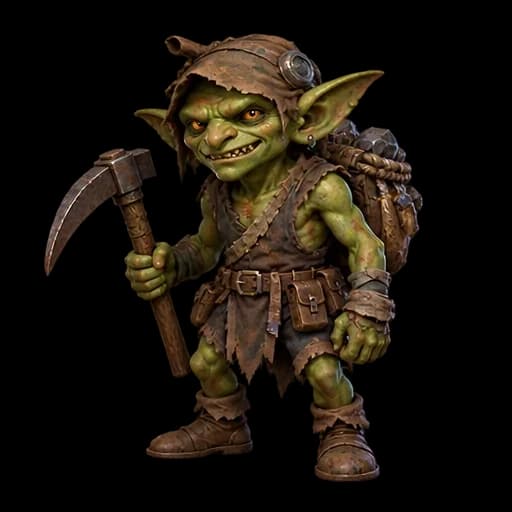
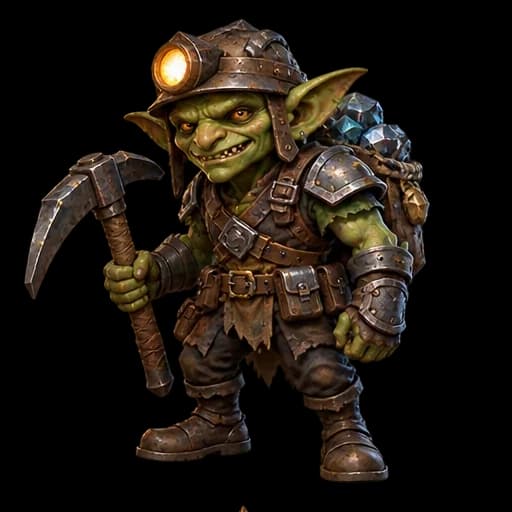
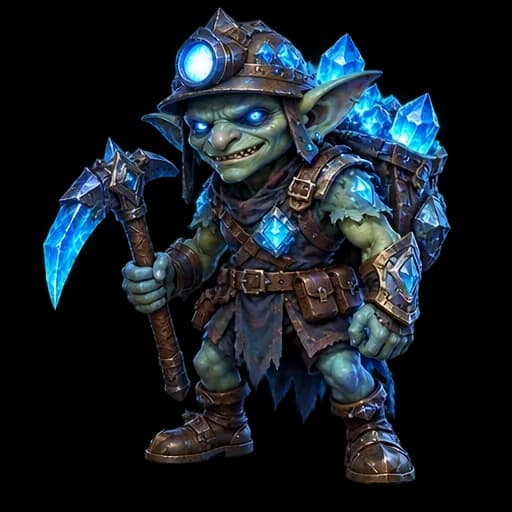
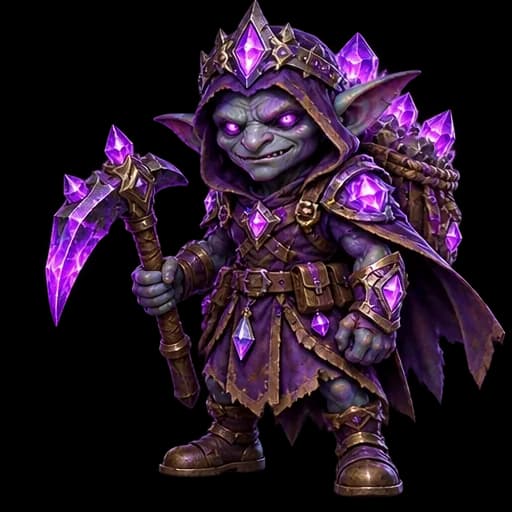
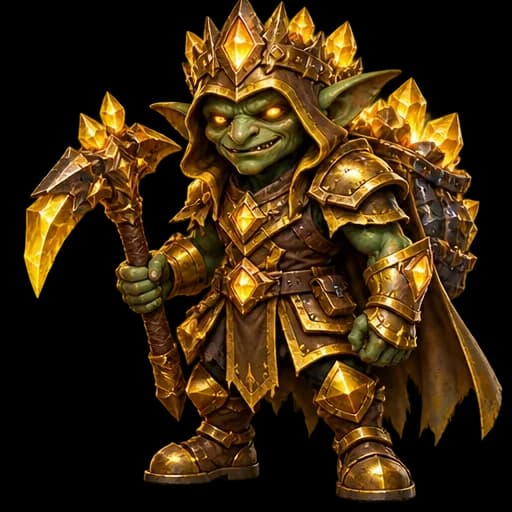
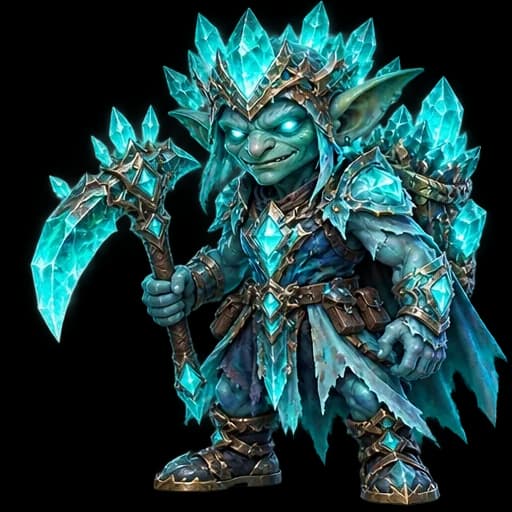
The first time you play, the game asks where your first Goblin goes: the Coal mine, or the welcome expedition.
Your Goblin digs ore, and the ore opens the next mines, down to the Diamond mine, where the GOB is paid.
Open from the game's first day for 14 days, with nothing to unlock: 10,000 GOB shared between every Goblin inside, by rarity, raised by your stakes' bonus.
Neither choice is for good: a Goblin sent one way can be sent the other way later, and your other Goblins go where you send them. The expedition's GOB comes out of the expeditions' budget of the mine rewards; once its 14 days are over it closes, and the mines go on.
The mines' rewards are not handed out at once. Three pools pay day by day once the Diamond mine opens, and the largest part is kept for expeditions, events and new mines, opened one by one.
Diamond mine · 50,000 GOB · 12.5%
Paid out over 30 days from the first Goblin in the Diamond mine.
Staking pot · 60,000 GOB · 15%
Shared over 60 days between the players who stake GOB.
Power pool · 40,000 GOB · 10%
Shared by the mining power of the Goblins in the Diamond mine, once its 30 days are over.
Expeditions and events · 150,000 GOB · 37.5%
Budgets for the expeditions and the monsters' rifts, set one by one.
Reserve · 100,000 GOB · 25%
Kept for new mines, and promised to nobody.
| Part | GOB | Share |
|---|---|---|
| Diamond mine | 50,000 | 12.5% |
| Staking pot | 60,000 | 15% |
| Power pool | 40,000 | 10% |
| Expeditions and events | 150,000 | 37.5% |
| Reserve | 100,000 | 25% |
Point at a column for its days.
| Days | Diamond mine | Staking pot | Power pool |
|---|---|---|---|
| 1–5 | 1,667 | 1,000 | 0 |
| 6–10 | 1,667 | 1,000 | 0 |
| 11–15 | 1,667 | 1,000 | 0 |
| 16–20 | 1,667 | 1,000 | 0 |
| 21–25 | 1,667 | 1,000 | 0 |
| 26–30 | 1,667 | 1,000 | 0 |
| 31–35 | 0 | 1,000 | 1,333 |
| 36–40 | 0 | 1,000 | 1,333 |
| 41–45 | 0 | 1,000 | 1,333 |
| 46–50 | 0 | 1,000 | 1,333 |
| 51–55 | 0 | 1,000 | 1,333 |
| 56–60 | 0 | 1,000 | 1,333 |
The Diamond mine
1,666 GOB a day for 30 days, split by rarity.
The staking pot
60,000 GOB over 60 days, split by stake.
The power pool
40,000 GOB over 30 days, split by mining power.
Expeditions and rifts
A budget each, set in advance. A pool only ever promises GOB the rewards already hold.
In the game
To recruit, found a guild, pay an expedition's entry price, buy on the market or stake.
In your wallet
Withdrawn in one transaction that you and the game both sign, 2,000 GOB at a time at most; brought back whenever you like, with no fee from the game.
Back to the mine rewards
Recruiting a Goblin, founding a guild, the GOB an expedition asks to let a Goblin in, and the 20% of a stake taken out early: they fund the next pools.
To the treasury
The market's 5% fee on each sale, and the GOB paid for skills. Outside the game, the treasury's share of the trading pool's fee on each trade of GOB goes there too, in SOL.
A pool only ever promises GOB the rewards already hold. Withdrawals are limited too: 2,000 GOB at most at a time and 10,000 GOB a day per account, and at most 60,000 GOB a day for all players together, a limit enforced on the chain. GOB brought in from a wallet waits 24 hours before it can leave again. The docs say how each pool is shared.
What the chain itself enforces, and what rests on the team's commitment.